
- All
- Product Name
- Product Keyword
- Product Model
- Product Summary
- Product Description
- Multi Field Search
Views: 77 Author: Site Editor Publish Time: 2019-06-21 Origin: Site
When using the external tank of the ship's external engine, turn off the internal tank. Otherwise, the oil and some air in the external tank will enter the internal tank while pulling. In addition, before using the external tank, it is necessary to pinch several pre-supply pincers on the outboard engine oil pipe tube to supply oil so that the machine can start easily.
Running-in Notes for Outboard Engines
Some people get used to doing polishing treatment in the bucket or sink at home after they get the new machine. This operation is possible, but the minimum requirement is to submerge the propeller and pump in the water before starting. And in the operation of the machine, they need to hang forward gear and avoid empty gas valve. Besides, you should pay attention to whether the cooling water in the outlet of the machine is normal. Red line is for water level and the lowest draft line of the machine should be ensured.
The incorrect start-up method of "submerged cylinder" will lead to "submerged cylinder" of the engine. The submerged cylinder refers to the accumulation of gasoline in the cylinder due to repeated unsuccessful start-up (because the corresponding gasoline will be injected into the cylinder every time the rope is pulled). This is very dangerous to the ignition of the engine. The excess gasoline will leak out from the spark plug and be treated. The way is: take the outboard engine piston out, pull the start rope, drain the oil and twist it back.
For the outboard motor, no matter 2 or 4 strokes, no matter big or small horsepower, the process of changing gear oil is much the same. The process of changing outboard engine gears oil is the process of removing two screw and then discharging and refueling. The process of oil replacement for 4-stroke offshore engine is basically the same as that for 4-stroke offshore engine with less than 30 hore power.
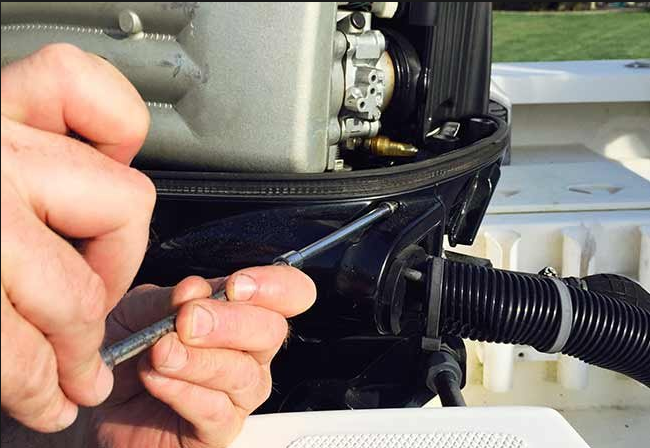
1. First of all, open the oil draining screw at the bottom of the machine and send out the old oil. It may take 30-60 minutes to completely dry it. At the same time, remember to open the filling hole of the 4-stroke oil tank inside the engine cover, which can increase the air permeability, and the oil drainage will be faster.
2. After the inorganic oil from the drain hole is out, the screw is packed, and then the oil is poured into the oil tank of the yellow top cover of the machine. Be careful not to overfill the oil tank. You can see the scale line on the yellow cover arrives.
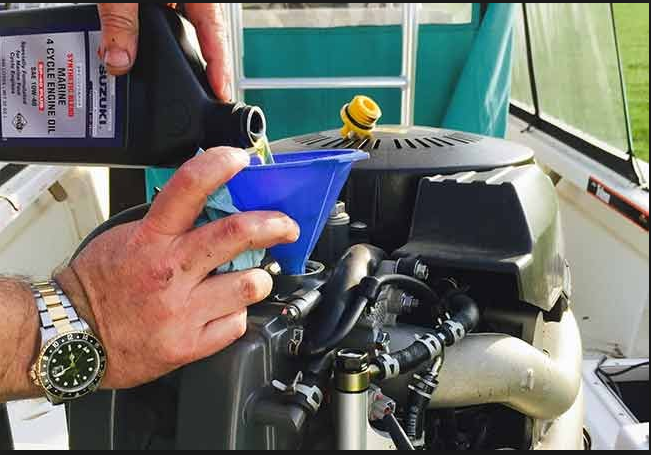
3. After the machine runs for a period of time, about a few hours, check the oil capacity of the oil tank, because the newly added oil may contain air, after a period of time, the air will be basically eliminated. So it is normal to increase the oil appropriately. The whole replacement process is completed.
Precautions: The machine stops working for 30 minutes before starting operation, and be careful the hot oil.


